What is Freemasonry?
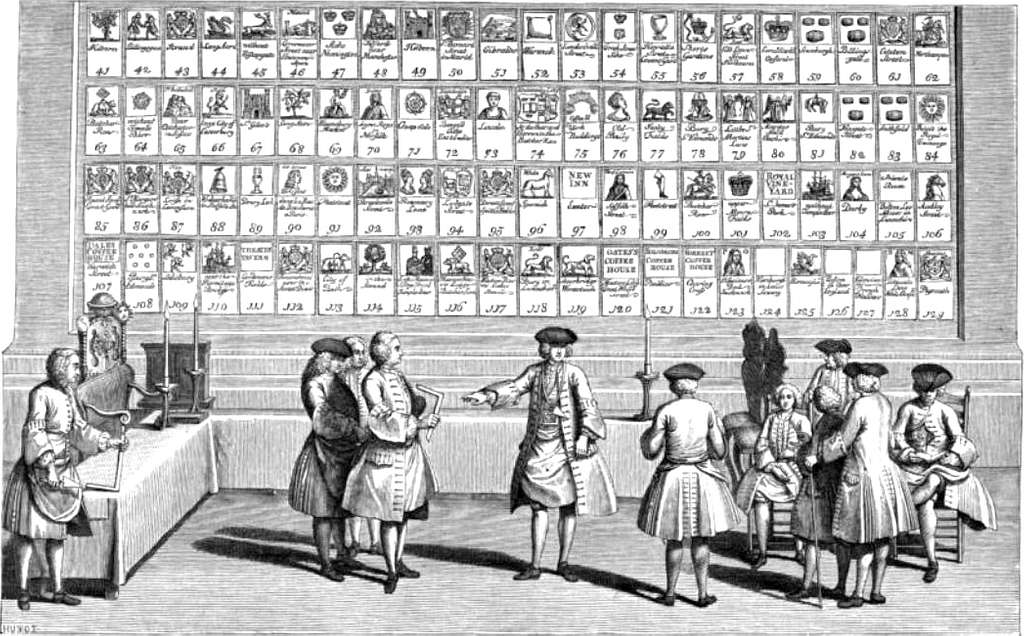
Freemasonry is the world’s oldest and largest fraternal organization. It is guided by the enduring belief that everyone has a responsibility to make the world a better place. For over 300 years, Freemasonry has enhanced and strengthened the character of individual men by providing opportunities for fellowship, charity, and the search for truth – within ourselves and the larger world.
Through Freemasonry, we make true friends, improve ourselves, and have a positive impact on our communities.
At its core, Freemasonry is about:
- True Friendship
Many members meet their best friends through Freemasonry. That’s because Masonry offers a combination that’s hard to find anywhere else: shared traditions, shared purpose, and a shared commitment to fostering lifelong relationships. - Personal Development
Ancient Freemasons focused on building structures. Today’s Masons focus on building character. We believe in strong values, and we embody them through our actions, our relationships, and our service to others. - Community Service
Masons take an obligation to support those around them. Masons give back in a multitude of ways, from local charity drives to statewide efforts through the New Jersey Grand Lodge
Freemasonry welcomes men of every country, religion, race, age, income, education, and opinion. However, to join Freemasonry, one must meet the following qualifications:
- Be a male at least 18 years of age (the minimum age varies in some jurisdictions, sometimes up to 21)
- Believe in the existence of a Supreme Being, although Freemasonry is not concerned with theological distinctions or particular religious beliefs
- Be of good moral character
- Be motivated to join for reasons unrelated to personal gain or profit
- Your decision to apply is based on your own “free will and accord”
- Be prompted by a favorable opinion of Freemasonry
- Be desirous of earning knowledge and willing to conform to the ancient usages and customs of the fraternity
Who can be a Freemason?
Where did Freemasonry come from?
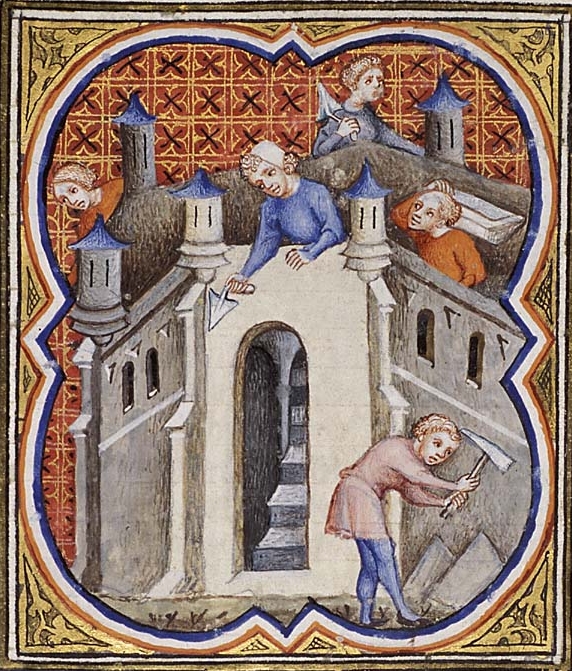
The exact origins of Freemasonry remain lost in time. The order is thought to have arisen from the English and Scottish guilds of practicing stonemasons and cathedral builders in the Middle Ages. Certain Masonic documents actually trace the sciences of geometry and masonry to the time of ancient Egypt and the building of King Solomon’s Temple.
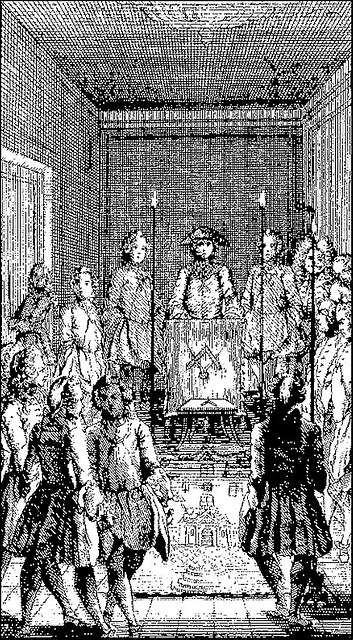
The formation of the first Grand Lodge in London in 1717 marks the beginning of the Modern (or “Speculative”) era of Freemasonry, when members were no longer limited to actual working stonemasons. These “Accepted” Masons adopted more enlightened philosophies, and turned what was a tradesmen’s organization into a fraternity for moral edification, intellectual recitation, benevolent service, and gentlemanly socialization.
Part of the mystique of Freemasonry can be attributed to speculation about its roots. Over the years, historians have never been able to conclusively determine exactly when, where, how, and why Freemasonry was formed.
Recommended Reading
| Interest | Title | Author |
| General | Freemasonry for Dummies | Chris Hodapp |
| General | Lost Symbol | Dan Brown |
| General | Mindset: The New Psychology of Success | Carol Dweck |
| Historical | American Freemasonry: Its Revolutionary History and Challenging Future | Arturo de Hoyos |
| Historical | The Better Angels of Our Nature | Michael A. Halleran |
| Historical | The Magus of Freemasonry: The Mysterious Life of Elias Ashmole | Tobias Churton |
| Masonic Philosophy | The Alchemist | Paulo Coelho |